How to Clean a Dryer Vent Without Moving the Dryer
Dryer wedged into a closet? I’d start with the lint screen and the flap outside. Here’s what you can clean now and how to reach the hose if you need to.

Give the lint screen and the outdoor flap a clean before you try to move the dryer. You can reach the screen from the front and clear the flap if it’s within reach from the ground. The whole duct is a bigger job. For that, you need to get to the hose behind the dryer. I’d look for a way in from the side or through an access panel first.
1Clean the lint screen and its slot
- 1Turn the dryer off and let it cool. Lift out the lint screen. Look just inside the door or on top of the dryer. Roll the lint off the mesh with your fingers.
- 2Unplug it before cleaning inside the slot. If the plug is out of reach, that’s as far as I’d go. Put the clean screen back in and check the outdoor flap if you can reach it.
- 3Pick up the lint you can see. If your manual says it’s okay, use a slim vacuum nozzle or dryer lint brush at the opening. Bring the lint toward you. Leave the dryer’s covers in place.
- 4Put the screen back before the next load. Clear it after each load. If your manual calls for washing the screen when there’s residue on it, let it dry fully before putting it back.
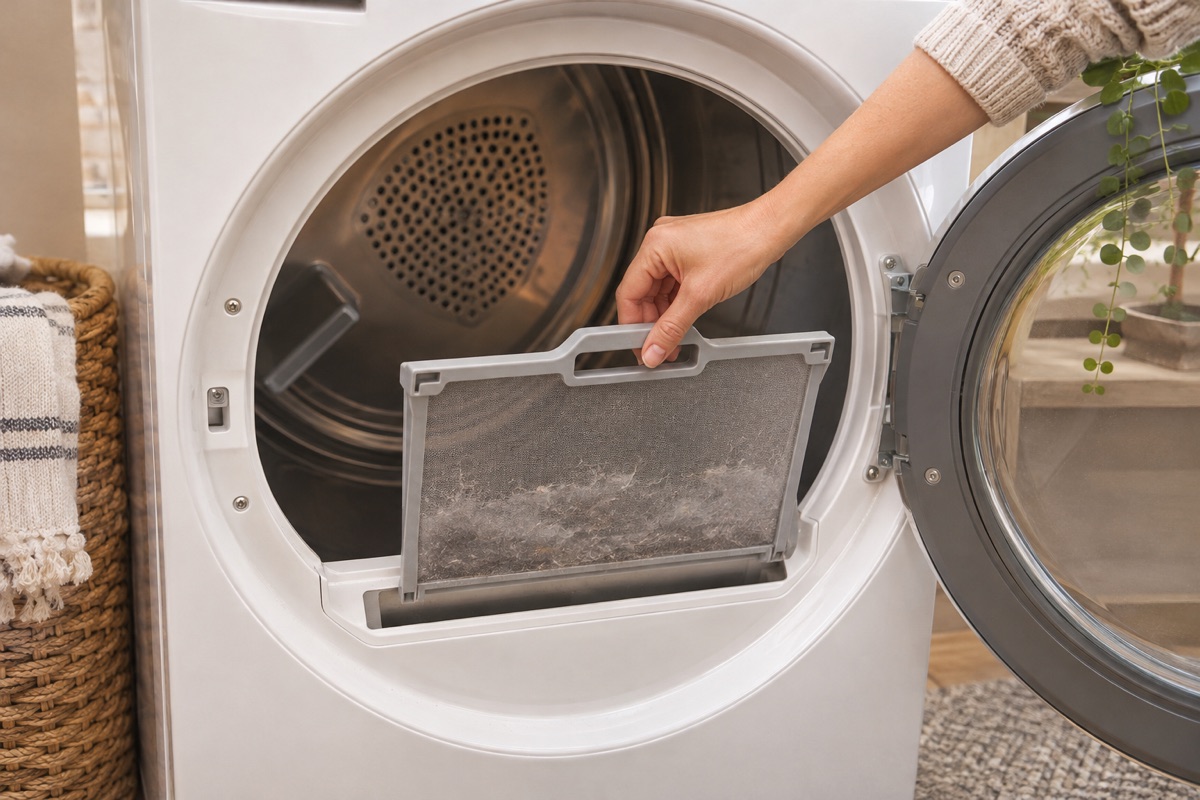
Try the vacuum nozzle you already have. If it’s too wide for the slot, a slim hose or brush can help.
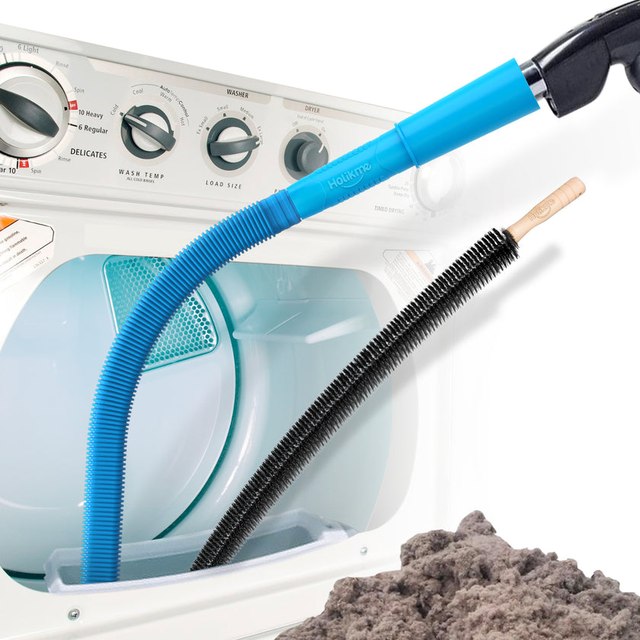
Holikme two-piece lint vacuum and brush kit
For lint you can reach under the screen. Check that the hose fits your vacuum and that your dryer manual allows it.
View on Amazon
If you have a ventless heat-pump or condenser dryer, follow your model’s filter-cleaning instructions. Our guide to dryer lifespan also covers common problems, including lint buildup at the heat exchanger on heat-pump models. Dryer lifespan and common problems
2Clear the outdoor vent flap
With the dryer off, look for the little flap under the vent cover outside. If you can reach it from the ground, wipe or brush off the loose lint around it. Give the flap a gentle nudge to see if it swings freely. If the vent is up high or on the roof, stick with what you can reach from the laundry room.
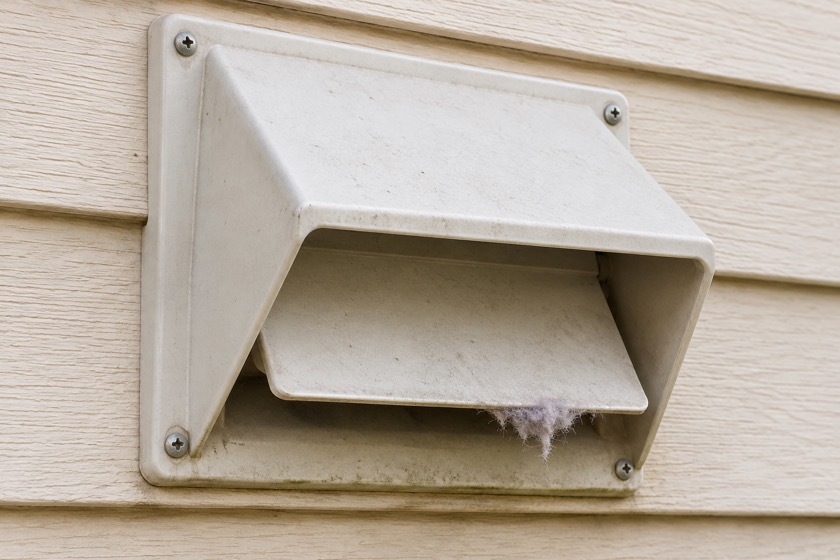
One homeowner wrestled their dryer out of a tight laundry room and found that a hard clump of lint was holding the outside flap open. I’d take a walk around the house and look at the flap before going to all that trouble. Homeowner’s account
During an ordinary load, with the dryer and duct connected and working normally, the flap should open and let air out. An open flap tells you some air is getting through. There can still be lint farther up the duct. Keep long brushes out of the vent while it’s connected to the dryer.
3When you need access to the whole duct
Here’s where I’d look if the lint screen is clean and clothes still take longer to dry. A short hose behind the dryer carries warm, damp air into the duct in the wall or floor. Lint can build up in that hose, and the dryer can pinch it against the wall.
Can you just run a long brush in from outside? Even a kit designed for that approach, the LintEater RLE202, calls for disconnecting the hose at the dryer, collecting the lint and checking that the brush reached the indoor end. If you can get to that connection through a side opening or access panel, you can leave the dryer where it is.
For a plug-in electric dryer, check your manual, switch it off, unplug it and take off the short hose as directed. Clean the hose and pick a brush that suits the duct’s material, width and length. Collect the lint you loosen. If the brush binds, stop. Forcing it can damage the duct. When you’ve finished, reconnect the hose securely, make sure it isn’t pinched and check that air comes out at the flap when the dryer runs.
If you smell burning, stop the dryer right away and keep it off until you’ve found and fixed the cause. If there’s little or no air at the flap or the Check Vent warning keeps coming back, keep the dryer off until you’ve checked the full exhaust path.
If drying is still slow after you’ve checked the full duct, the next place to look is the dryer itself. Should you repair or replace your dryer?
If you already know the heating element has failed, here’s how to size up the repair bill. Dryer heating element replacement cost
4How people move a heavy dryer
You only need enough room to reach the hose. For a freestanding, plug-in electric dryer, get a helper, read the moving instructions, turn the dryer off and unplug it. Check where the vent hose and any steam-water line go. Disconnect them as your manual directs and stop if a line starts to pull tight. Leave gas, hardwired and stacked dryers in place for this job.
- Take the closet door off if it’s in the way. A dryer can fit between the walls and still catch on the door. Taking the closet door off may give you room to pull straight out or reach the hose from the side. Laundry alcove discussion
- Put down cardboard or hardboard. For a short pull on a finished floor, I’d start with a clean, flat sheet. If there’s room in front of the dryer, an appliance moving mat gives you a handle to pull on.
- Use removable glides. If you can safely reach the feet, match the glides to the feet, the dryer’s weight and the floor. Felt pads suit hard floors. Smooth plastic ones are made for carpet.
- Borrow or rent an air sled. It lifts the dryer just enough to slide on a cushion of air. Check that the pads can reach the frame from underneath, the floor and space above the dryer meet the tool’s instructions, and the dryer is within its weight rating. Airsled rental locations
One person moved a laundry set to paint behind it, then slid it back with the rear skids still in place. The machine shifted when it ran, and they had to pull it out again the next day. That’s a chore I’d rather do once. Take the glides out and check that the dryer sits level and steady before running a load. Homeowner’s account
Can you put little wheels under a dryer?
Those little wheels are called casters. They make sense if your dryer is designed for them. Whirlpool’s compact LDR3822PQ, for example, has an optional caster kit for its portable setup. Check your manual for a kit approved for your exact model and installation. For most dryers, I’d use a temporary mat or glides and set the dryer back on its own feet.
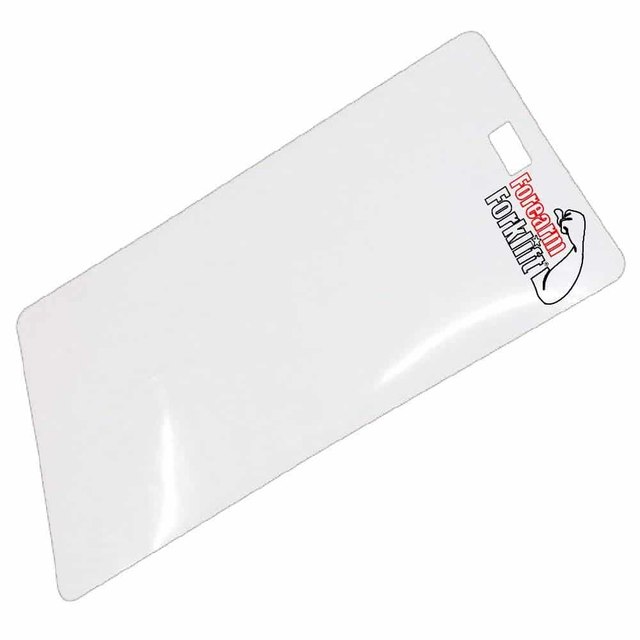
Forearm Forklift Glydeez appliance moving mat
For a short move across a finished floor. Check the mat fits under the dryer and that there’s room to pull it out in front.
View on Amazon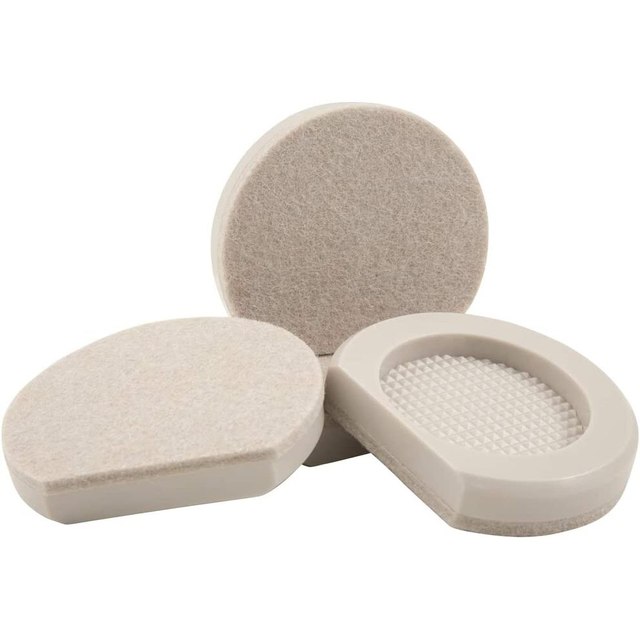
Super Sliders 3-inch cupped felt appliance glides
For hard floors where you can reach the feet. Check that the feet fit the cups and the glides can carry the dryer’s weight.
View on Amazon
5Tools for cleaning and reconnecting the duct
Save the duct brush for when you can get to both ends. If getting the hose back on is the hard part, a magnetic connector may help the next time you clean.
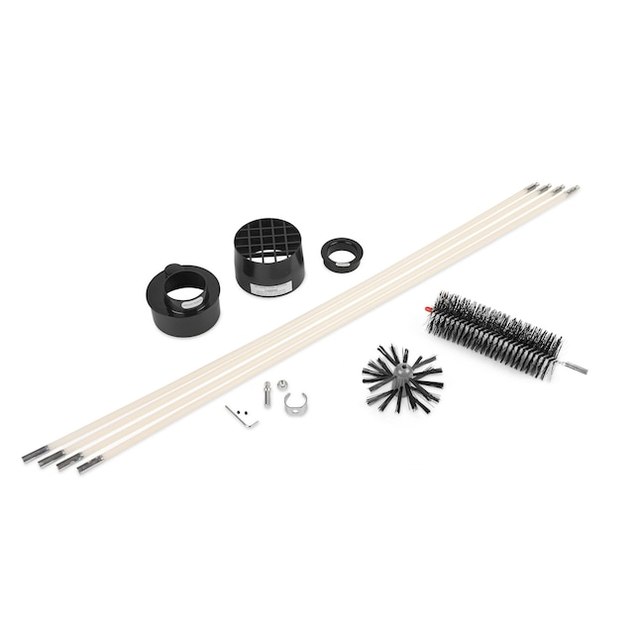
Gardus LintEater RLE202 rotary duct kit
A 4-inch brush with rods that reach up to 12 feet. Check that it suits your duct and that you can reach both ends.
View on Amazon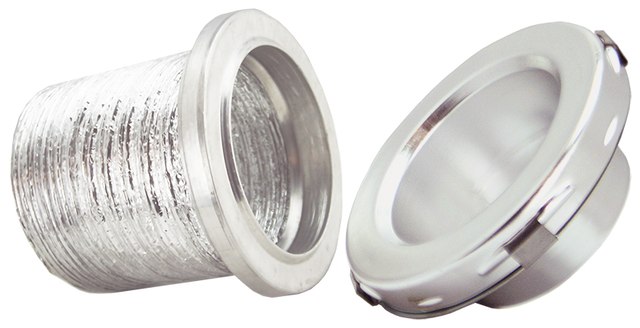
MagVent MV-180 magnetic vent connector
Helps line up the two ends when you slide the dryer back. Compare the gap and clearance with the manufacturer’s fit guide.
View on Amazon
Frequently Asked Questions
Can I clean the whole dryer vent through the lint trap?
With the dryer unplugged, you can remove lint just under the screen if your manual allows it. To clean the whole duct, you’ll need to reach the hose behind the dryer and the outlet outdoors.
Can I clean a vent from outside without moving the dryer?
You can clear lint around a ground-level flap. To brush the whole duct from outside, you still need a way to take the hose off at the dryer, catch the lint and check the indoor end. Look for a side opening or access panel if the dryer can’t move.
How often should I clean the dryer vent?
Clear the lint screen after each load. Check and clean the duct at least once a year, or sooner if loads are taking longer or you see a vent warning. Follow the instructions for your model.
What if I rent and can’t reach the vent outlet?
Clean the removable lint screen and any area your manual lets you reach safely. Ask the building manager where the vent comes out and whether there’s an access panel.
- GE Appliances — Cleaning the lint filter and its opening — For the covered models, describes the removable screen and unplugging before using a suitable brush or vacuum hose at the lint-filter opening.
- Whirlpool Product Help — Cleaning a stacked laundry center's dryer lint filter — Shows that filter location varies by model, supports gently vacuuming surrounding lint and drying a washed screen before reinstalling.
- GE Appliances — How to clean the exhaust duct — Supports annual duct inspection and cleaning, access at the dryer connection, checking the outdoor flap and recognizing that partial clogs can lengthen drying time.
- Whirlpool — Cleaning a dryer vent from inside and outside — Covers access behind the dryer, transition hose removal and checking the exhaust after reconnecting the dryer.
- U.S. Consumer Product Safety Commission — Overheated Clothes Dryers Can Cause Fires — Distinguishes the lint screen, exhaust path and dryer cabinet. Covers airflow checks, restricted ducting and slow drying.
- U.S. Fire Administration — Clothes Dryer Fire Safety — Covers lint-screen care, crushed or restricted ducting and checking whether the outdoor flap opens during operation.
- HY-C — Gardus LintEater RLE202 operator manual — Steps 8–11 show how exterior brushing still involves access at the dryer, disconnection, lint collection and verifying brush reach.
- Whirlpool Product Help — AF or Check Vent warning — Supports investigating a recurring airflow warning and checking and clearing the full exhaust route where indicated.
- ENERGY STAR — Heat-pump dryers — Explains ventless heat-pump drying and the importance of following the model's filter maintenance instructions.
- Whirlpool — Dryer installation instructions W11595589 — The instructions specify help for moving the dryer and cardboard or hardboard floor protection. Verify the moving and leveling instructions for the particular model.
- Surface Shields — Surface Sleds sell sheet — Manufacturer examples of felt-backed appliance glides for hard floors and smooth plastic glides for carpet. Check the product's floor suitability and weight rating.
- Airsled — AirDolly owner's manual — Covers connection isolation, structural-frame contact, overhead clearance, floor conditions and using a mover within its lift rating.
- Whirlpool — LDR3822PQ compact dryer and optional casters — Documents an optional caster configuration for this particular compact dryer. Check the manual for the approved setup.
- MagVent — Dryer vent connector fit and clearance FAQ — Documents how a self-aligning connector's suitability depends on duct alignment, direction and the space behind the dryer.
- Holikme — Two-piece lint vacuum and brush kit — Lists the slim hose and lint brush. Use the dryer manual for where you can use them.
- United Appliance Servicers Association — Glydeez appliance mat — Illustrates a full-size appliance moving sheet and identifies the Amazon listing.
- Airsled — Rental partners — Lists rental locations for air-powered moving aids. Check local model availability.
- HomeMaintenance reader report — Lint holding a vent flap open — The homeowner reported finding a compacted clump of lint holding the outdoor flap open after moving the dryer.
- HomeImprovement commenter — Moving a laundry set on skids — A commenter reported leaving rear skids under a laundry set and finding that it shifted when it ran.
The Dryer Series
- 1How Old Is My Dryer? Whirlpool, Maytag, GE and Other BrandsDecode the serial number and see where it sits against a typical lifespan.
- 2How Long Does a Dryer Last?What changes as it ages, what can shorten it, and the gas-vs-electric answer.
- 3How Much Does It Cost to Replace a Dryer?Unit price by fuel type, installation cost, and repair costs by part.
- 4Should You Repair or Replace a Dryer?The decision, in one place — including the vent check that fixes most complaints for free.