What Should You Inspect in Your Home After the January 2026 Freeze?
After the January 2026 winter storm, your home needs attention. Learn what to check for frozen pipes, ice dams.
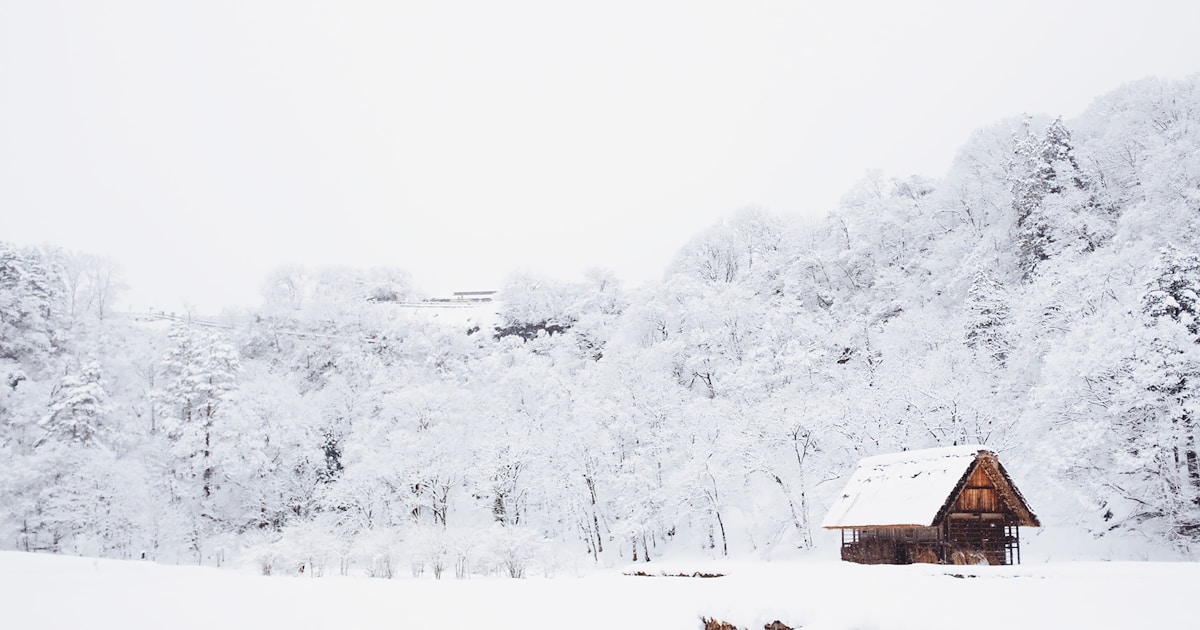
The January 2026 winter storm was historic in scope—stretching from Texas to Maine, leaving over 40 dead, and knocking out power to more than a million homes. President Trump declared federal emergencies in 12 states, and American Airlines called it the most disruptive storm in the airline's 100-year history.
If you were in the storm's path, your home may have damage you haven't noticed yet. Ice accumulation snapped power lines and trees across the South. Record snowfall buried the Northeast. Now that temperatures are rising, it's time to inspect.
Here's what to check:
Check for Frozen or Burst Pipes
Frozen pipes are one of the most common—and expensive—winter problems.
Warning signs:
- No water from faucets
- Frost on exposed pipes
- Strange smells from drains
- Visible bulging or cracks
What to do if you find a frozen pipe:
- 1Turn off the main water supply immediately
- 2Open faucets to relieve pressure
- 3Use a hair dryer or space heater to thaw (never an open flame)
- 4Call a plumber if you see cracks or bulging
Inspect Your Roof
Ice dams and heavy snow can cause serious roof damage.
Look for:
- Large icicles at the roof edge
- Water stains on ceilings or walls
- Missing or damaged shingles
- Sagging gutters
Clear Exhaust Vents
Blocked vents can cause dangerous carbon monoxide buildup.
Vents to check:
- Furnace exhaust
- Water heater vent
- Dryer vent
- Bathroom exhaust fans
Test Safety Devices
| Device | Action |
|---|---|
| Smoke detectors | Press test button |
| CO detectors | Press test button |
| Fire extinguisher | Check pressure gauge |
| Batteries | Replace if needed |
Check Your Foundation
Ground freezing and thawing can shift your foundation.
Signs of damage:
- New cracks in foundation walls
- Doors or windows that suddenly stick
- Cracks in interior walls near the foundation
Inspect Outdoor Faucets
Even winterized faucets can be damaged by extreme cold.
Quick inspection:
- 1Remove any covers
- 2Inspect for visible cracks
- 3Slowly turn on water
- 4Check for leaks inside and out
Pro tip: TidyBoss organizes seasonal maintenance tasks like these into your schedule, grouped by season so you know what to focus on and when.
Related Reading
- What Are Ice Dams and How Do You Prevent Them? - Learn more about preventing and removing ice dams
- Major Appliance Maintenance: A New Homeowner's Guide - Keep the HVAC, water heater and kitchen appliances alive their full lifespan
Frequently Asked Questions
How do I know if my pipes are frozen?
Warning signs include no water from faucets, frost visible on exposed pipes, strange smells from drains, and visible bulging or cracks in pipes. If you suspect frozen pipes, turn off the main water supply immediately and open faucets to relieve pressure.
How long does it take for frozen pipes to burst?
Pipes can burst within hours of freezing if pressure builds up. However, some pipes may freeze and thaw without bursting. The risk increases with the duration and severity of the freeze. Act quickly if you notice any warning signs.
Should I call a plumber after a winter freeze?
Call a plumber if you see cracks or bulging in pipes, notice water damage on walls or ceilings, or cannot locate the frozen section. For accessible frozen pipes without visible damage, you can attempt to thaw them yourself using a hair dryer or space heater — never an open flame.
What should I check on my roof after a winter storm?
Look for large icicles at the roof edge (a sign of ice dams), water stains on ceilings or walls, missing or damaged shingles, and sagging gutters. Ice dams can cause serious water damage if not addressed promptly.
Can I prevent freeze damage to my home?
Yes. Key prevention measures include insulating exposed pipes, keeping your thermostat at a consistent temperature (at least 55°F even when away), winterizing outdoor faucets, and ensuring proper attic insulation to prevent ice dams.