Fall Home Maintenance Checklist
The fall tasks that actually prevent winter damage — furnace and water heater prep, outdoor plumbing, gutters, sealing, and safety checks — plus how appliance age changes what "get it serviced" should mean.
Fall maintenance exists for one reason: a handful of specific tasks now prevent much more expensive damage once temperatures drop — frozen and burst pipes, ice-damaged gutters, a furnace that fails on the coldest night of the year. The list below is organized by what it protects, starting with the two priciest systems in the house.
Fall maintenance at a glance
- Heating system
- Water heater
- Outdoor plumbing
- Gutters & roof
- Exterior sealing
- HVAC outdoor equipment
- Safety
- Storing outdoor equipment
Planning your maintenance budget?
Calculate it for your home →Heating system
Change the furnace filter before the heating season starts — a clogged filter restricts airflow and makes the whole system work harder. Find the exact filter size for your furnace rather than guessing.
Beyond the filter, have a technician inspect the furnace once a year — this catches ignition, heat exchanger, and venting problems before they become a mid-winter breakdown. If it's approaching the 15–20 year range, see what a repair-or-replace decision actually looks like before you're facing one in January. How long a furnace typically lasts has the full age breakdown.
Don’t know how old your furnace is?
Maintenance and replacement planning both change once a furnace gets older.
Check furnace age →Water heater
Check your water heater's own recommended maintenance schedule — many tank water heaters call for periodic sediment flushing, but the exact procedure and frequency vary by model. Fall, before winter demand increases, is a convenient time to check it. An older unit can make replacement planning more useful than adding more maintenance.
Don’t know how old your water heater is?
An older water heater can make replacement planning more useful than more maintenance.
Check water heater age →Outdoor plumbing
- Drain and shut off outdoor faucets — disconnect hoses, drain the line, and shut off any interior valve for the outdoor spigot so no water is left standing to freeze.
- Winterize sprinkler lines before the first hard freeze — shut off the irrigation water supply and drain or blow out the system according to the manufacturer's instructions. Compressed-air winterization can damage irrigation components if the pressure is wrong for your system, so hire an irrigation professional if you're unsure of the correct procedure. Insulate the main shutoff valve and any above-ground piping either way.
- Insulate exposed pipes in unheated spaces — a crawlspace, garage, or basement rim joist — not just the faucet itself. This is the step most fall checklists skip entirely, and it's the difference between a protected faucet and a pipe that still freezes a few feet further back.
Recommended products
Protect outdoor faucets and exposed pipes

3M Thinsulate Outdoor Faucet Cover (2-pack)
Real insulation, not thin plastic — slides over the spigot and a few inches of pipe, reusable across winters.
Check price on Amazon →
TOPDURE Foam Pipe Insulation Covers (12-pack)
Pre-slit foam sleeves for the exposed pipe runs a faucet cover alone doesn’t protect — covers a whole crawlspace or basement run.
Check price on Amazon →As an Amazon Associate we earn from qualifying purchases. How this works
Gutters & roof
- Clean gutters and downspouts once most leaves have fallen — clogged gutters back water up under roofing and siding, which is a far more expensive fix than an afternoon on a ladder.
- Inspect the roof (or have it inspected) for missing or damaged shingles before winter weather arrives — small damage now becomes a leak once snow or ice sits on it.
Maintenance helps. It can’t prevent everything.
 $50 off + your first month free
For breakdowns maintenance can’t prevent
Even a well-maintained furnace, water heater, or appliance can still fail without warning. A home warranty may help cover eligible repairs to covered systems and appliances when that happens.
Choice covers kitchen and laundry appliances, as well as heating, cooling, plumbing and electrical systems.
Get your free quote →Takes about 60 seconds · No obligation · No credit card required
Coverage generally applies to eligible systems and appliances that are working when the plan begins. Existing or known problems may not qualify.
We may earn a commission if you use this link. How this works
Exterior sealing
- Seal air leaks around doors and windows with weatherstripping — this is both a comfort and a heating-bill fix, since a furnace working against constant drafts runs longer than it needs to.
- Add a door sweep to block the gap under exterior doors, which a strip of weatherstripping around the frame doesn't cover.
- Fill driveway and walkway cracks before the first freeze — water that gets into a crack expands as it freezes and makes the crack meaningfully worse over winter.
Recommended products
Seal drafts before heating season

Self-Adhesive Weatherstrip Tape
Foam seal for door and window frame gaps — the source of most of the draft a furnace ends up working against.
Check price on Amazon →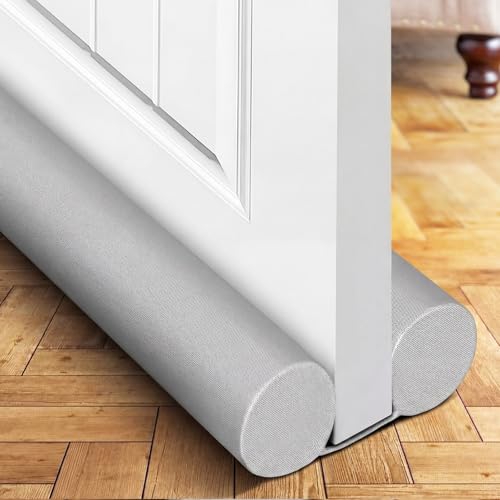
Holikme Under-Door Draft Stopper (adjustable)
Covers the bottom-of-door gap that frame weatherstripping doesn’t reach.
Check price on Amazon →As an Amazon Associate we earn from qualifying purchases. How this works
HVAC outdoor equipment
Clear leaves and debris from around the outdoor AC/heat pump unit — accumulated leaves and yard debris around the condenser restrict airflow. Follow the manufacturer's own winterization guidance for your specific system rather than wrapping the whole unit in an airtight cover, which can trap moisture.
Safety
- Test smoke and carbon monoxide alarms monthly, and replace removable batteries at least once a year (or on the manufacturer's schedule) — sealed 10-year alarms don't need annual battery changes, but do need replacing once they reach the end of that 10 years. →
- Have the chimney inspected annually if you use a fireplace, regardless of how often it's been used. Cleaning frequency depends on buildup — CSIA recommends sweeping masonry fireplaces at about 1/8 inch of sooty buildup, sooner if the creosote is glazed.
- Clean the dryer vent if you haven't this year — fall and winter mean more indoor drying for a lot of households, and a lint-clogged vent is a real fire-risk factor, not just an efficiency one.

Kidde COBD10 · 10-year sealed battery, digital display
UL 2034 5th Edition / ETL listed — worth checking alongside the furnace inspection above.
Storing outdoor equipment
Drain fuel from lawn equipment before it sits unused all winter, and clean and cover or store a gas grill — including disconnecting and safely storing the propane tank rather than leaving it attached outdoors.
What fall home maintenance actually costs
The DIY jobs on this list — filters, faucet covers, pipe insulation, weatherstripping — are relatively inexpensive on their own. Professional services are where the annual total adds up: a furnace inspection, chimney inspection, gutter cleaning, and irrigation winterization can all land in the same few months. That's exactly why home maintenance works better as an annual budget than a series of surprise expenses.
Home maintenance budget
What should your home cost to maintain?
Filters and weatherstripping are cheap. Professional service, repairs, and aging systems aren't. Build an annual estimate around the systems and appliances actually in your home.
Calculate my annual maintenance budget →Free · Personalized to your home · Takes about 2 minutes
Your home
- Heating
- Water heater
- Appliances
- Exterior
Estimated annual budget
$ —
Frequently Asked Questions
When should I start fall home maintenance?
Aim to have the furnace inspected, outdoor faucets drained, and gutters cleaned before the first hard freeze in your area — for most of the US that means sometime in October or early November. Waiting until the first cold snap to start means doing several of these tasks under time pressure, or after damage has already happened.
Do I need my furnace serviced every fall?
It's the one fall task worth paying for even when nothing seems wrong — a technician checks the heat exchanger, ignition, and venting for problems that don't announce themselves until they fail, often on the first genuinely cold night. If the furnace is already past 15 years, an inspection is also the moment to ask what shape it's really in before deciding whether a bigger repair later this winter is worth it — see how furnace age changes that math.
Should I drain my water heater every year?
Check your water heater's own recommended schedule first — flushing frequency and procedure vary by model. Many tank water heaters do call for periodic sediment flushing, and fall (before winter demand increases) is a convenient time to check. If the unit is old enough that you're unsure it's worth the effort, checking its age is more useful than guessing at a maintenance schedule.
- Family Handyman — Fall Home Maintenance Checklist: 20 Things to Do Every Year — gas grill winterizing steps; general framing for sprinkler-line winterization (pressure specifics superseded here by Rain Bird’s own guidance, see below)
- Nationwide — Fall Home Maintenance Checklist — draining outdoor faucets before winter, roof/gutter inspection framing, weatherstripping for air leaks
- PA Realtors — Fall Maintenance Checklist for Homeowners — professional furnace inspection timing, door-sweep sealing
- Rain Bird — Fall is Blow-Out Season: Tips for Winterizing Your Sprinkler System — do not exceed 50 psi during a compressed-air blowout; excess pressure can damage components or cause injury; insulate the main shutoff valve and above-ground piping
- US EPA — Carbon Monoxide Alarms: Protect Your Family and Yourself — test CO and smoke alarms monthly; replace removable batteries at least annually; sealed 10-year alarms don’t need annual battery swaps
- Chimney Safety Institute of America — Homeowner Resources — annual chimney inspection regardless of use; sweep masonry fireplaces at about 1/8 inch of sooty buildup, sooner if creosote is glazed